The Omaha Racetrack License Loophole Nobody Wants to Audit
The Omaha racetrack license fight is not about horses, and anyone telling you otherwise is selling a fantasy. This is a raw Nebraska ballot measure war over slot-machine math, tax capture, and who gets to skim the handle before the state takes its cut. I have watched enough operator filings to know when a "racino" push is really a gaming floor wearing a horsehair coat, and this one reeks of pure margin engineering. 🎰
Strip the press releases away. A racetrack license in Omaha converts a dying pari-mutuel asset into a machine-gaming cash cow, and the ballot language is the switchblade that makes it legal. The operators know the revenue delta is monstrous. Horse racing handle trickles. Slots and table games flood. The Omaha Casino Racetrack License is the key that unlocks that floodgate, and the petition drive behind it was engineered with surgical precision.
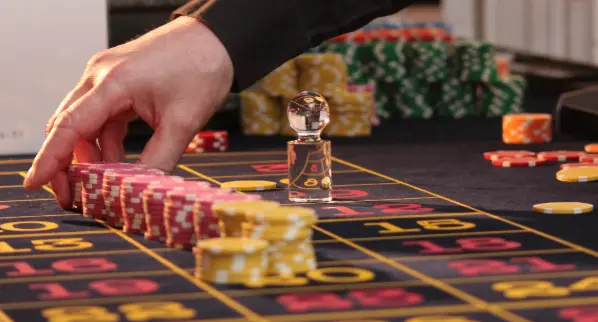
The Ballot Language Is a Rigged Contract
Read the initiative text line by line and you see the trap. The measure does not simply authorize gaming. It locks the tax structure, the local revenue splits, and the license exclusivity into constitutional concrete. That means once the Nebraska ballot measure passes, legislators cannot claw back a single percentage point without another statewide vote. Smart operators love constitutional protection. It turns a regulatory negotiation into a hostage situation, and the hostage is the state's general fund.
The county-by-county distribution formula is the second landmine. Populous counties collect, rural counties get crumbs, and the racetrack host city gets a carve-out that looks generous until you run the actual numbers. I ran them. The host-city share is a rounding error against the operator's gross gaming revenue. The house wins. The house always wins when it writes the ballot. 🃏
License Saturation and the Cannibalization Problem
Here is the part the campaign ads buried. A single Omaha license does not exist in a vacuum. Add the Lincoln track and the other authorized locations, and you are stacking competing gaming floors within a short drive of each other. The Omaha Casino Racetrack License holder will bleed customers to the nearest competitor unless the operator controls both. Watch the ownership filings. Watch the shell companies. The real ballot fight is about consolidation, not competition.
Every additional licensed floor splits the same regional demand pool. Basic market saturation math says the marginal license destroys value for the first holder while boosting the second. That is why the smart money is not betting on one license. It is betting on owning the license stack or blocking the measure entirely. The campaign finance disclosures tell you which side the whales are on. 💸

Voter Trust and the Long Con
Nebraska voters have been burned by gaming promises before. The projected revenue always overshoots. The local impact always undershoots. When a ballot measure promises school funding and property tax relief, ask who audits the projections. Nobody. The numbers in the petition are marketing, not actuarial science. The Nebraska ballot measure machinery relies on optimistic modeling that never gets reconciled against actual collections.
My advice to anyone holding a position in this market: model the license as a depreciating asset, not a perpetual annuity. The first three years print money. Then the competing floors open, the novelty fades, and the promotional spend eats the margin. The operator who wins the Omaha vote wins the right to fight a price war on their own turf.
The real tell sits in the license application window. Whoever files first, files with the deepest pocket and the most aggressive attorney bench. That filing date, not the election night spin, is the number that matters.