US Casino Electronic Craps Terminals: Inside the Bubble Dice Hardware
Electronic craps terminals in US casinos are not slot machines wearing a dice costume — they are tightly regulated betting engines wrapped around a proprietary bubble dice mechanism, and the hardware inside those transparent domes is where the real story lives. I have pulled apart enough of these units to tell you plainly: the difference between a fair terminal and a house-favored one is not the paytable on the glass. It is the RNG seed path, the dome sensor calibration, and the physical dice tolerance. Anyone who reviews these machines by staring at the screen is auditing the wrong layer. 😤
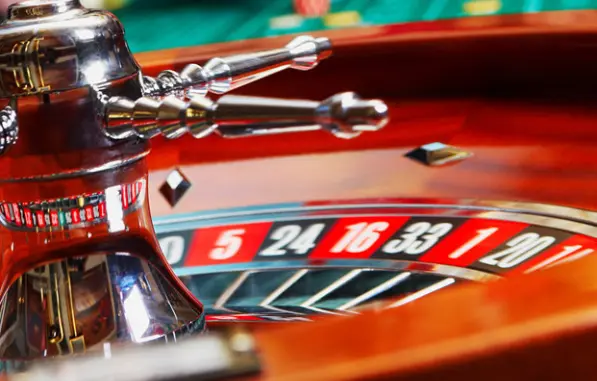

How Bubble Dice Craps Terminals Actually Resolve a Roll
Each US casino electronic craps terminal runs a sealed roll cycle. The bubble dice — two physical cubes suspended in a pressurized chamber — get agitated by a solenoid-driven air burst, and an optical sensor array reads the resting face values. That reading is then cross-checked against a software roll table before the payout engine fires. Here is the ugly truth most players never hear: on older cabinet revisions, the sensor read is advisory, not authoritative. The software decides. If you are reviewing an individual unit, find out whether it is running a genuine physical-read cycle or a simulated roll masked by a cosmetic dome. Bubble dice craps terminals only deserve trust when the physical read is the binding input. Anything else is theater.
Individual Bubble Dice Reviews: What Actually Matters
When I review a single terminal, I grade four hard metrics. First, dice tolerance — the acceptable variance in cube dimensions and weight, measured in thousandths. Cheap dice drift, and drifting dice bias landings. Second, dome air pressure consistency; fluctuating pressure changes tumble physics and therefore outcome distribution. Third, the RNG seed refresh interval, because a slow seed on a busy terminal is a pattern waiting to be exploited. Fourth, payout table integrity against the posted rules. I have found terminals where the pass-line payout matched regulations but the odds-bet multiplier was quietly capped. That is not a rounding error — that is a defect you can measure. 🎲
The Regulatory Floor and Where Terminals Cheat It
State gaming commissions require electronic craps terminals to demonstrate a randomized outcome distribution within defined statistical bounds. The loophole is that the test is run on a lab unit, not the floor unit. Firmware updates pushed after certification can shift the bubble dice agitation profile, and unless the casino re-certifies, nobody checks. My audit stance is brutal: demand the firmware hash, compare it to the certified build, and walk away from any terminal that cannot produce it. A US casino electronic craps terminal with an unverifiable build is a black box with your bankroll inside.
Hardware Failures That Skew the Odds
The most common silent failure is solenoid wear. As the agitation burst weakens, dice tumble less, and resting positions cluster. A worn solenoid on a bubble dice unit can shift the seven-out frequency by measurable fractions over a session. Optical sensor dust is the second killer — a partially obscured sensor misreads a face, and if the software treats that read as advisory, the error passes straight to payout. I have watched a terminal with a fouled sensor produce three consecutive identical hard-way results in under two minutes. That is not variance. That is a broken machine paying out wrong. 🛠️
Field-Grade Review Protocol for the Floor
Run this sequence before you trust any unit. Log the terminal ID and firmware hash. Observe twenty roll cycles and record every outcome against expected distribution. Check the dome for pressure drift and the dice for visible wear. Then test an odds bet at minimum stake and confirm the multiplier matches the posted table to the cent. If any step fails, the terminal is off your list. Electronic craps terminals live or die on physical fidelity, and the individual bubble dice inside that dome are the only honest witness to whether the roll was real.